A Critical Examination of U.S.-Iran Relations: The Road Ahead
In a recent statement, President Donald Trump announced a potential reopening of the Strait of Hormuz, a pivotal waterway for global oil transport. At first glance, this pronouncement seems positive. However, the complexities surrounding U.S.-Iran relations suggest otherwise. As discussions unfold, it appears that public proclamations may not align with the intricate realities of the ongoing negotiations.
Trump declared victory, asserting that Iran has acceded to U.S. demands. A closer examination, however, reveals skepticism, not only from analysts but also from Iranian officials. Many believe that the realities on the ground, punctuated by market fluctuations and geopolitical maneuvers, indicate a disconnect between Trump’s rhetoric and the actual status of negotiations.
The Market’s Volatility: A Potential Red Flag
Investors noticed that significant shorting of the oil market occurred shortly before Trump’s announcement, prompting questions about possible insider trading or corruption within governmental circles. Such patterns raise concerns about the integrity of market movements juxtaposed against political statements. This may not only lead to market manipulation accusations but could also undermine public confidence in the administration. The implications of financial corruption add another layer of complexity to an already fraught situation.
As debates around Trump’s negotiation strategy continue, contrasting perspectives emerge. While some argue that the administration’s actions have effectively brought Iran to the negotiating table, others caution against giving undue credit. They suggest that the promised outcomes often lack substance, rendering them little more than empty promises.
Expert Opinions: Dueling Perspectives on Military Strategy
Notably, discussions have raised questions about the effectiveness of Trump’s military strategy. Critics argue that relying on rapid negotiations without a comprehensive understanding of Iran’s intentions could lead to disastrous outcomes. The juxtaposition between Trump’s optimistic declarations and historical patterns reveals deeper truths: previous military interventions have revealed the complexities of engaging with nations like Iran.
Moreover, the inconsistency in Trump’s messaging undermines confidence in his diplomatic approach. Daily shifts from demands for unconditional surrender to invitations for negotiation illustrate a lack of coherent foreign policy. Such unpredictability not only confuses allies and adversaries alike but also places U.S. interests at risk.
The Role of the JCPOA in Current Negotiations
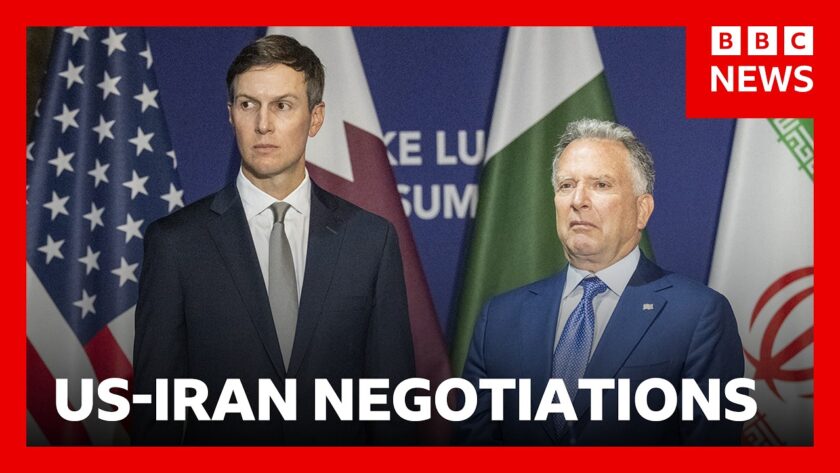
The Joint Comprehensive Plan of Action (JCPOA), which Trump abandoned in 2018, initially sought to limit Iran’s nuclear capabilities while allowing U.N. inspections. Observers frequently note that Iran became more aggressive in its nuclear development after the agreement’s dissolution. Current negotiations, albeit bearing the weight of prior failures, appear rooted in a desire to elicit compliance from an adversary that has historically resisted overtures.
A retrospective glance at the JCPOA raises the critical question: Was it truly ineffective, or did it merely require adaptation? The ongoing discussions suggest that any new agreement similarly needs to address concerns over Iran’s nuclear ambitions. In their absence, meaningful progress is unlikely.
The Ripple Effects on Domestic and Global Politics
Domestically, the war’s unpopularity is palpable. High gas prices and economic instability have created discontent among both Republican and Democratic voters. Many Americans are struggling with the impact of prolonged military engagement without clear objectives or benefits. With midterm elections on the horizon, the administration’s failure to stabilize the conflict could have substantial electoral consequences.
Moreover, the divergence of opinions within the U.S. and among allies highlights a growing rift in consensus on American foreign policy objectives. Concerns that negotiations may devolve into temporary agreements rather than lasting solutions resonate deeply within international relations.
Conclusion: Moving Forward Amidst Uncertainty
As the U.S. navigates this precarious situation, restoring stability requires more than grand proclamations. The escalating tensions, economic ramifications, and fractured alliances underscore the truth: a thorough, consistent, and transparent approach is essential. Whether the U.S. can achieve an effective resolution that benefits its national interests and secures regional stability remains uncertain.
Given these complexities, the need for prudent negotiation tactics, grounded in historical context and realistic assessments, is more vital than ever. Only then can the goals of peace and security be meaningfully pursued amidst the challenges posed by the Iranian regime and its regional allies.